
Search
Upcoming Workshops
- Erev Rosh Hashanah(3 days)
- PRIVATE EVENT(3 days)
- Rosh Hashanah Day 1 Service(4 days)
- Shofar Ritual(5 days)
- Bloorcourt Nuit Nuit!(10 days)
- Kol Nidre(12 days)

Calendar of Workshops & Events
User Login
Navigation
Perfume: Alabaster Annointing Oil
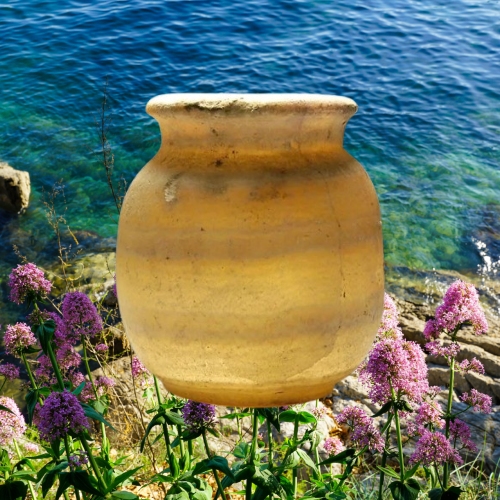
#AlabasterOil is a fragrant #anointing oil associated with the #Christian biblical story of a woman breaking an alabaster jar of costly #spikenard perfume to pour on Jesus. People use the oil for prayer, meditation, and personal worship. Modern devotional oils often blend an olive oil base with traditional spices like spikenard, myrrh, and frankincense.
The fragrance of alabaster oil represents total surrender, purity, and extravagant devotion.
This 100% natural, authentic perfume is ready to use in a 10 mL roll-on bottle.
History: In 1st-century Palestine, the ingredients for an anointing oil stored in an alabaster jar (alabastron) would have been entirely derived from raw, regional botanicals and luxury imports via ancient trade routes like the Incense Route. Ancient perfumers used hot or cold maceration—steeping raw resins, roots, and flowers directly into a carrier oil. Cold-pressed olive oil was the foundational carrier for practically all ointments and perfumes in Palestine. Ancient local perfumers integrated regional flora harvested from the Jordan Valley, En Gedi, and surrounding Mediterranean hills.
Spikenard aka Nard was imported all the way from the Himalayan mountains of India. Pliny the Elder, a Roman historian writing in the 1st century, documented nardum as the absolute pinnacle of luxury perfumes. It possesses a heavy, pungent, bittersweet, and deeply earthy aroma.
Myrrh Commiphora myrrha: Sourced from the southern Arabian Peninsula and the Horn of Africa. This bitter, aromatic tree resin was prized by Jewish traditions for its use in holy anointing oils, purification rituals, and burial preparations.
Frankincense (Olibanum) Boswellia carterii: Also from southern Arabia, this citrusy, balsamic resin was synonymous with temple worship.
Bergamot Sun-Safe Citrus bergamia captures the sophisticated, non-sweet, "perfume-grade" citrus scent of the ancient etrog much better than contemporary lemon.
Cinnamon: Imported from Southeast Asia via Indian Ocean trade networks, these sweet, fiery tree barks were used to add warmth and a sharp counter-note to heavy resins. I use a cinnamon leaf essential oil Cinnamomum zeylanicum in order to prevent skin irritation that other cinnamon essential oils can produce.
Elemi : Elemi is a resin from a tree native to the Philippines that belongs to the exact same botanical family Burseraceae as Judean Balsam aka Balm of Gilead. Elemi perfectly mirrors the dual nature of Judean Balsam, featuring a sharp, peppery, citrus-lemon top note that melts beautifully into a fresh, green, pine-like woodiness.
Calamus aka Sweet Cane Acorus calasmus: A fragrant, ginger-scented wetland reed native to the region.
Ingredients: